Living in Central Florida means we get plenty of sunshine, but it also means our yards face some tough challenges. Between the intense humidity, the sandy soil, and those afternoon thunderstorms that roll in like clockwork on I-4, keeping a yard looking beautiful takes a bit of strategy. But when you get it right, your home becomes a personal paradise.
If you're looking to upgrade your current yard or starting from scratch, understanding the basics of sod design & installation is usually the first step. A healthy, green foundation changes everything, and getting that right is crucial before you start adding the fun stuff like pavers or palms.
How does Florida's climate affect your plants?
Florida's climate accelerates plant growth, but it also demands that you choose varieties that can withstand extreme heat and heavy rainfall. Unlike our friends up north who worry about snow, we worry about heat stress and pests.
Our soil in Orlando is naturally sandy. This means water drains through it very quickly, often taking nutrients right along with it. If you plant flowers that love rich, dense soil without amending the ground first, they will likely struggle. Understanding that we are in USDA Hardiness Zone 9b is key. This means we rarely freeze, but we do get occasional cold snaps that can damage tropical plants if they aren't protected.
Which landscaping style works best for Central Florida homes?
The best style is one that blends your personal taste with the architecture of your home and the realities of our environment.
Tropical Landscaping
This is what most people think of when they picture landscaping in Orlando Florida. It features broad-leafed plants, vibrant colors like hibiscus and bougainvillea, and, of course, palm trees. It looks lush, but it often requires more water to maintain that jungle vibe.
Coastal Landscaping
Even if you'ren't right on the beach, coastal styles work well here because the plants are tough. They are designed to handle wind and sandy soil. Think ornamental grasses and sea grapes. This style is relaxed, breezy, and usually lower maintenance.
Native Landscaping
Going native is the smartest move for a low-maintenance yard. Plants like Coontie, Saw Palmetto, and Southern Magnolia evolved here. They know how to survive a drought and don't need constant babying with fertilizers.
What elements make up a balanced landscape design?
A great design balances "hardscaping" (the solid stuff) with "softscaping" (the living stuff). You need both to make the yard functional and beautiful.
Hardscaping
This includes your patios, walkways, and retaining walls. In our area, pavers are incredibly popular for driveways and pool decks. They don't crack as easily as concrete when the ground settles, which often happens in our sandy terrain.
Softscaping
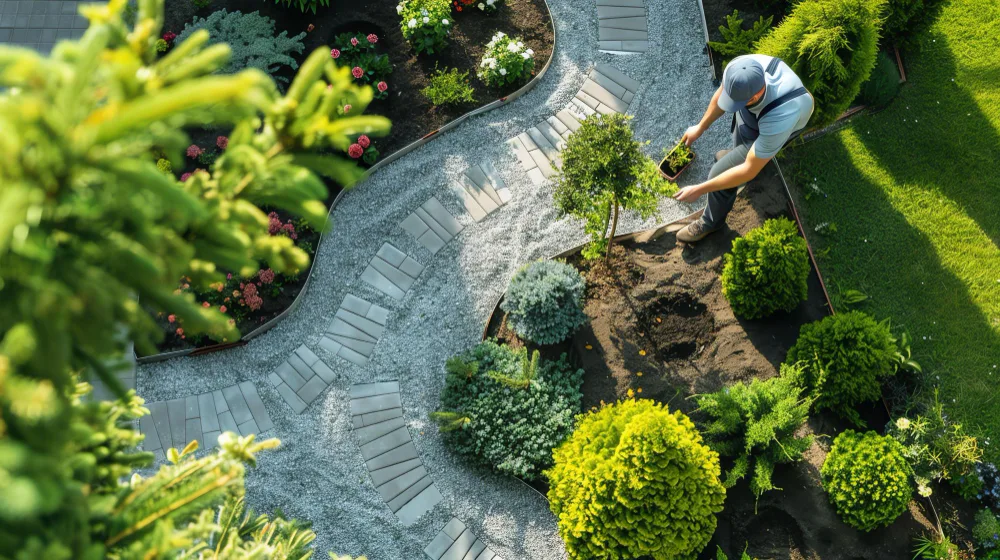
This is the plant selection and placement. The goal is to layer your plants. You want taller trees in the back, shrubs in the middle, and ground cover or flowers in the front. This adds depth and makes the yard look bigger.
Water Features
Because it gets so hot, the sound of running water from a fountain or pond can make your backyard feel cooler and more relaxing. It drowns out traffic noise and attracts birds.
There is one element that ties all of this together at night. Professional landscape lighting adds a layer of safety and drama to your home. It highlights those expensive palm trees you just planted and ensures nobody trips on the walkway after a late dinner.
How can you save water and money on maintenance?
Sustainability in Florida isn't just a buzzword; it’s a necessity to keep your utility bills down.
Water Conservation
We have specific watering restrictions in Orlando and surrounding counties, usually limiting irrigation to one or two days a week. You have to make those days count. Using "smart" irrigation controllers that sense rain can stop your sprinklers from running during a storm, saving you money.
Eco-Friendly Materials
Using mulch is vital. A 2-to-3-inch layer of mulch keeps the soil cool and prevents water from evaporating. It also breaks down over time, adding nutrients back into that sandy soil we talked about.
Pest Management
Instead of nuking the whole yard with chemicals, use Integrated Pest Management. This means identifying the specific bug causing the problem and treating only that area. It keeps the good bugs (like ladybugs and bees) alive to help your garden grow.
Should you tackle landscaping yourself or hire a pro?
DIY landscaping is great for small projects like planting a flower bed, but for total redesigns, hiring a professional usually saves money in the long run.
The DIY Route
If you enjoy sweating in the humid afternoon sun, DIY can be rewarding. However, you need to know your plants. Planting a tree that grows 40 feet wide right next to your home’s foundation is a common mistake that costs thousands to fix later.
Hiring a Professional
A designer knows which plants thrive in shade versus sun. They know how to grade the land, so water flows away from your house, not into your living room during a hurricane. For elements like landscaping in Orlando Florida, having a pro handle the heavy lifting of sod and hardscapes ensures the job is done up to code.
How much should you budget for a landscape renovation?
Costs vary wildly based on the size of your lot and the materials you choose, but having a realistic baseline helps you plan.
Average Costs
- Sod: Replacing a lawn typically costs between $1.50 and $3.00 per square foot. This is the quickest way to make an old yard look new.
- Pavers: For a new patio or walkway, expect to pay $12 to $25 per square foot for installation.
- Irrigation: Installing a brand new system for an average-sized yard usually runs between $2,500 and $5,000.
- Lighting: High-quality fixtures generally cost $200 to $500 per fixture installed.
Budgeting Tips
Real estate experts often suggest investing 10 percent of your home's value in landscaping to maximize resale potential. If that sounds high, tackle the project in phases. Start with the sod and irrigation (the canvas), then add the hardscapes and lighting later.
What does a successful project look like?
Let's look at a typical scenario. We recently saw a home near Dr. Phillips that had an overgrown, patchy lawn and a cracked concrete patio.
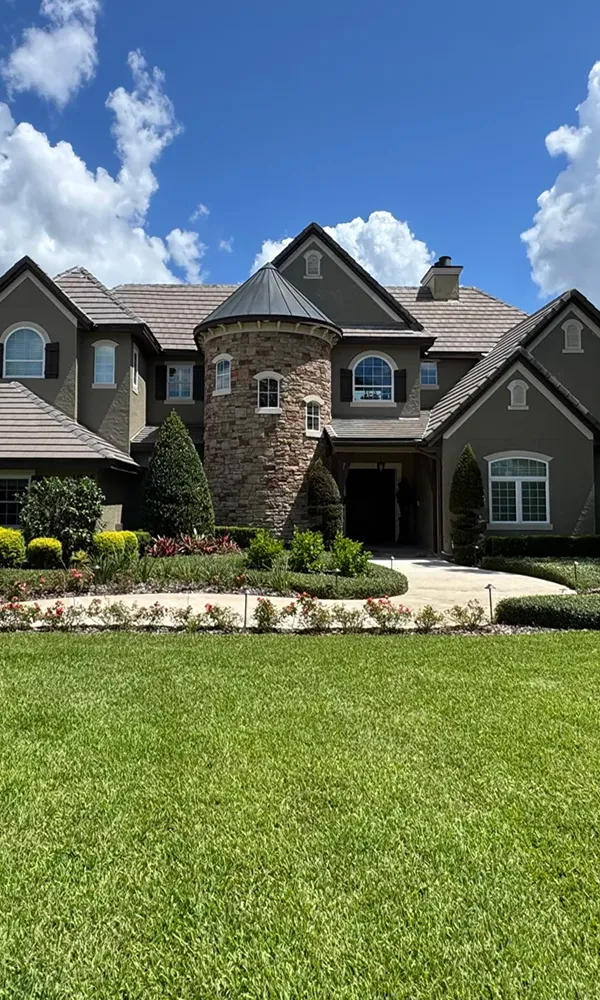
By removing the old grass and grading the soil, the drainage issues were solved. Installing fresh St. Augustine sod instantly brightened the property. The homeowners replaced the concrete with travertine pavers and added a few native palm trees with uplighting. The result wasn't just a better-looking yard; it created a functional outdoor living room where the family now spends their evenings.
Do you need a permit for landscaping in Orlando?
Yes, you often do, and ignoring this step can lead to fines or being forced to tear out your hard work.
Local Ordinances
Most structural changes, like fences, retaining walls, or significant irrigation work, require a permit. Orange County and Seminole County have strict codes regarding stormwater runoff. You cannot change the grade of your yard in a way that floods your neighbor's property.
HOA Guidelines
If you live in a community with an HOA, they likely have a strict list of approved plants and colors. Some require you to have a certain number of trees in the front yard. Always get their approval in writing before you buy a single plant. Dealing with HOA requirements is a standard part of landscaping in Orlando Florida.
Investing in your home's exterior
Your landscape is the first thing you see when you come home and the last thing guests see when they leave. A well-designed yard handles our Florida heat, increases your property value, and gives you a space to relax.
If you're ready to transform your outdoor space, you don't have to do it alone. We are local experts who understand exactly what your yard needs to thrive.
Contact Citrus Landscape Solutions today at (407) 759-1260 to schedule your consultation.