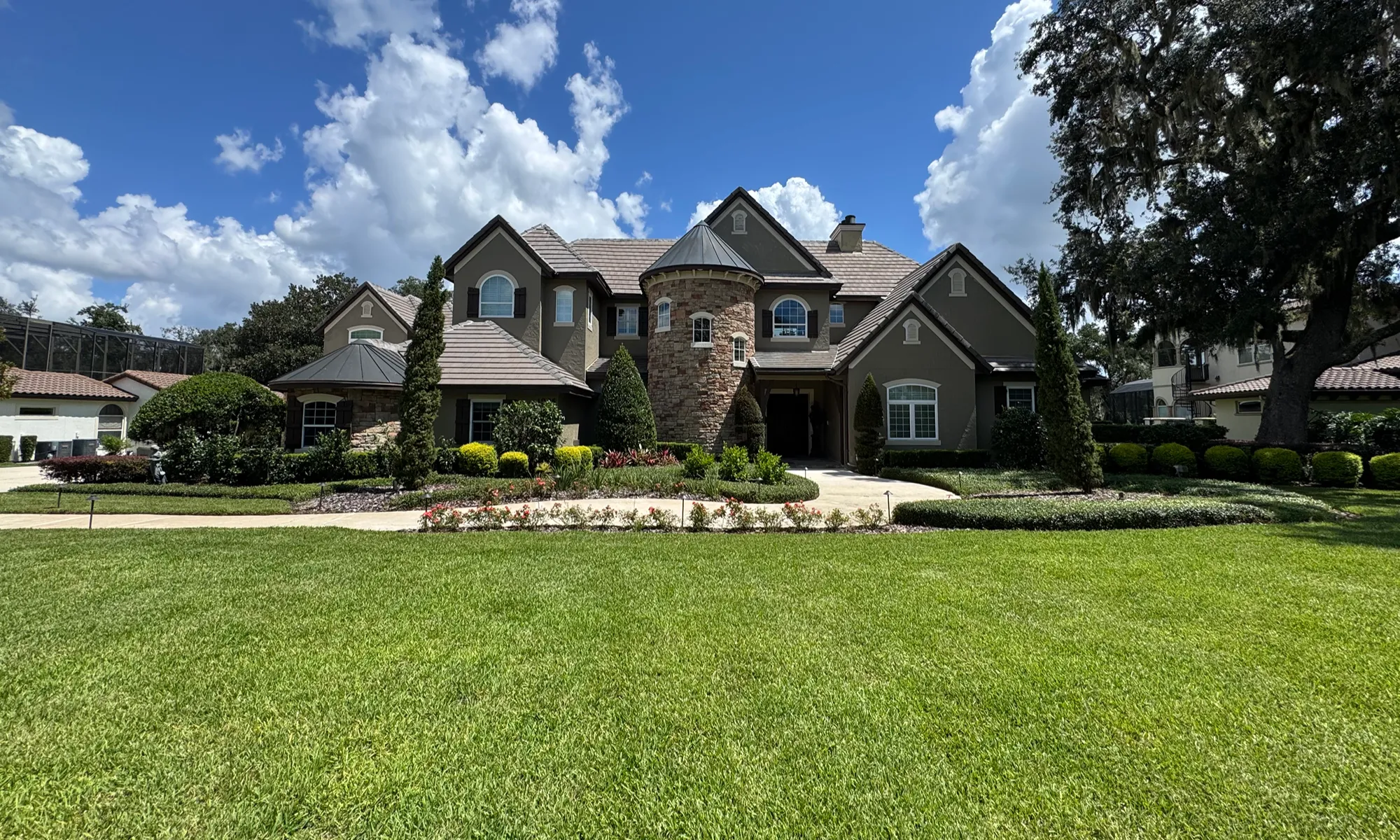
We get it. You look out at a patch of dirt or a struggling, weed-infested yard, and you just want it fixed. You want that lush, green carpet now. That is the massive appeal of sod. It is instant gratification for your curb appeal. But while rolling out fresh grass seems like a magic fix, it comes with a set of challenges that many homeowners overlook until the truck pulls away.
If you're considering sod in Melbourne Florida, you need to know the full story before you invest. While sod provides an immediate transformation, it requires a significant commitment of time, money, and maintenance to keep it alive.
Here is an honest look at the disadvantages of sod, so you can make the right choice for your home near the Indian River Lagoon or further inland.
Is sod really that much more expensive than seeding?
Yes, sod is significantly more expensive upfront compared to seeding or plugging. When you buy sod, you're not just paying for the grass; you're paying for the years of water, fertilizer, and care the sod farm invested to grow it, plus the labor to cut, transport, and install it.
In the current market, professional sod installation typically costs between $1.50 and $3.00 per square foot.
Why does this matter? If you have an average-sized yard of about 2,000 square feet, you're looking at a price tag ranging from $3,000 to $6,000. Contrast that with seeding, which costs a fraction of that amount. The trade-off, of course, is time. Seeds take months to establish, while our professional sod design & installation gives you a lawn in a day. However, if your budget is tight, that upfront cost is a major hurdle.
How much work does new sod actually require?
Many people mistakenly believe that once the sod is down, the work is done. In reality, the first month after installation is the most labor-intensive period of lawn ownership.
New sod has virtually no root system connecting it to your soil. For the first 14 to 21 days, you need to water it heavily to prevent the roots from drying out and dying. In the intense heat we get here in Brevard County, this often means watering daily or even twice a day.
This high water demand can be a shock to your utility bill. Furthermore, once the sod is established, it still requires regular mowing, fertilizing, and pest control. St. Augustine grass, the most common type used here, is notorious for needing frequent care to ward off chinch bugs and fungus. If you're looking for a "set it and forget it" landscape, sod might not be the answer.
Are you limited in what grass types you can choose?
When you choose to seed a lawn, you have a wider variety of species and blends available to you. When you choose sod, you're limited to what local farmers are currently growing.
Because sod farms need to grow grass that harvests well and transports easily, they stick to a few commercially viable varieties—mostly specific cultivars of St. Augustine or Zoysia. This means you might not get the exact texture or shade of green you were dreaming of.
If you find the options for sod in Melbourne Florida too limiting, or if you simply don't want to deal with the maintenance of a massive lawn, you might consider shrinking your grass footprint. Many homeowners are now opting to use less grass and incorporate more hardscaping features. A beautiful custom pergola installation can cover a large portion of your yard, providing shade and style without requiring a single drop of water.
What can go wrong during installation?
Laying sod looks easy—like fitting puzzle pieces together—but it's actually quite technical. If the ground isn't prepped correctly, the sod will fail.
The soil needs to be leveled, cleared of debris, and often amended to ensure the roots can penetrate deep into the ground. If there are air pockets between the sod and the soil, the roots will dry out, leaving you with brown, dead patches.
Timing is also critical. Sod is a perishable product. Once it's cut at the farm, it starts to heat up and decompose. It needs to be installed within 24 hours of being harvested. If a pallet of sod sits in your driveway under the Florida sun for a day or two, it's likely already dead before you lay it down.
Is sod bad for the local environment?
This is a growing concern for many of us living near the delicate ecosystem of the Indian River Lagoon. Growing sod is a resource-intensive process.
- Water Usage: As mentioned, establishing sod requires a massive amount of water. According to the EPA, landscape irrigation is estimated to account for nearly one-third of all residential water use, totaling more than 9 billion gallons per day nationwide.
- Chemical Runoff: To get that deep green color customers expect, sod farms often use significant amounts of fertilizers. Once installed, homeowners often continue this heavy fertilization. In Melbourne, we have strict bans on phosphorus and fertilizer blackouts during the rainy season (June through September) to protect our waterways from algal blooms.
- Transportation: Sod is heavy. transporting pallets of grass on large trucks contributes to carbon emissions.
We always recommend a "Lagoon Friendly" approach. This doesn't mean you can't have sod, but it does mean choosing the right type for your location and maintaining it responsibly to minimize runoff.
How do you decide if sod is right for you?
There is no denying that a fresh sod lawn looks fantastic. It instantly boosts property value and gives your family a soft place to play. However, the high upfront cost, the intense maintenance during the rooting period, and the environmental considerations are real disadvantages.
If you need immediate results—perhaps you're selling your home or hosting a wedding in the backyard—sod in Melbourne Florida is your best option. But if you have patience and a tight budget, alternatives like plugging or seeding might be better.
Regardless of what you choose, you don't have to figure it out alone. We are the local experts you trust with your business and customers. We are not a giant, faceless corporation; we are the folks who live and work right here in Central Florida. We can assess your soil, your shade, and your lifestyle to recommend the best solution for your yard.
Ready to talk about your lawn? Contact Citrus Landscape Solutions at (407) 759-1260 today. Let’s create a yard you love coming home to.