You might think "sod" and "grass" are just two words for the exact same thing, like "pop" and "soda." While they both result in a green lawn, the difference is actually huge—especially when you're trying to fix a patchy yard or install a brand-new landscape. It is the difference between buying a fully baked cake and buying a bag of flour and hope.
If you're looking into sod design & installation for your home, understanding these distinctions can save you time, money, and a lot of frustration. Let’s break down exactly what you're paying for so you can make the right choice for your property.
What exactly is sod?
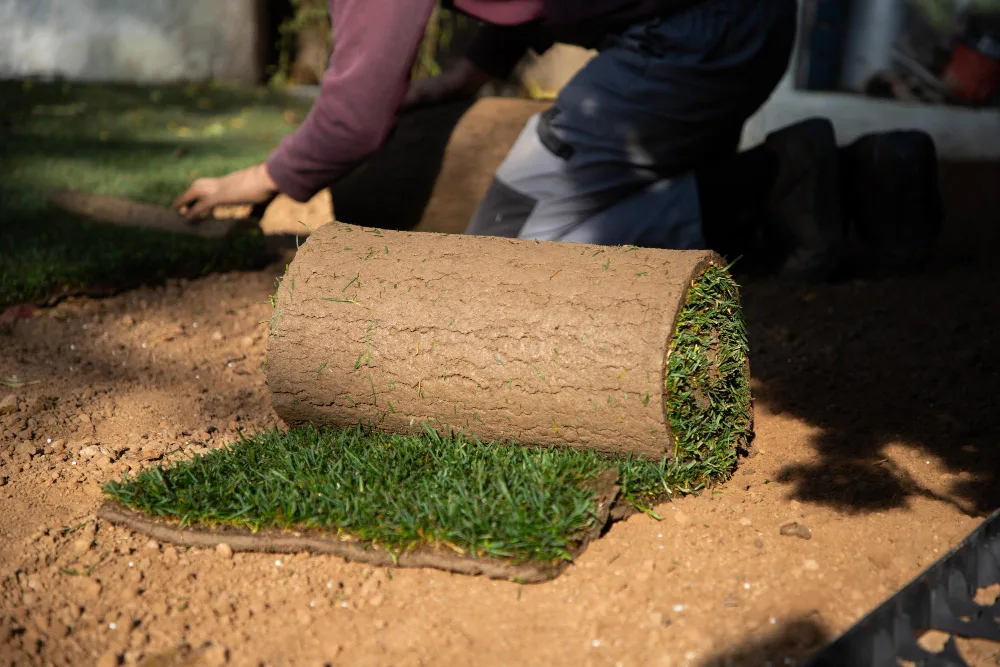
Sod is mature grass that has already been grown, cared for by professionals, and harvested in rolls or squares with the soil and roots attached. Think of it like a roll of carpet. When we install sod, we are laying down a finished product. You go from bare dirt to a lush, green lawn in a single day.
Because sod is already established, it's much hardier than a seedling. It arrives at your home healthy and ready to root into your soil. This is the standard for most Florida homes because our intense weather can be brutal on fragile seedlings.
Is grass just the plant itself?
When landscapers talk about "grass" in the context of starting a lawn, they are usually referring to growing a lawn from seed or plugs. This is the "bag of flour" in our cake analogy. You aren't buying a lawn; you're buying the potential for a lawn.
Growing grass from seed involves spreading seeds over prepared soil, watering them constantly, and waiting for them to germinate and grow. While this is common in northern states, it's a much more difficult process here in Central Florida and the Gulf Coast.
What are the main differences for homeowners?
The biggest differences come down to time, money, and the likelihood of success.
Time: Sod is instant. You have a green yard the moment the installation crew leaves. Seeding can take months to create a dense, usable lawn. In fact, it can take up to 18 months for a seeded lawn to fully mature and fill in completely.
Cost: Sod costs more upfront because you're paying for the growers' time, water, fertilizer, and the harvesting process. Seeding is cheap to buy, but expensive in water and maintenance.
Maintenance: New sod needs water to establish roots, but it suppresses weeds instantly because the ground is covered. Seed requires constant moisture (sometimes watering 2-3 times a day) and leaves the soil exposed to weed seeds, which will happily grow faster than your grass.
Success Rate: In Florida, sod has a very high success rate. Seed is risky. A single heavy thunderstorm—common in our summer afternoons—can wash all your seeds into the storm drain, forcing you to start over.
Why is sod usually the better choice in Florida?
Why do most professionals recommend sod over seed in our climate? It comes down to erosion control and weed prevention.
When you install sod in St. Petersburg Florida, you're instantly stabilizing your soil. This matters because our sandy soil washes away easily. If you have a sloped yard or live near water, bare soil is a liability. Sod acts as a heavy blanket that keeps your soil exactly where it belongs.
Furthermore, Florida is the land of aggressive weeds. If you leave bare dirt exposed while waiting for seeds to sprout, invasive plants will take over. Sod covers that dirt immediately, blocking sunlight from weed seeds and giving them no room to grow.
How much does sod actually cost?
You should expect to pay for the convenience and quality of a finished product. Sod installation typically ranges from $1.50 to $3.00 per square foot. This price covers the removal of old turf, ground preparation, the sod itself, and professional installation.
While that sounds higher than a bag of seed, you have to factor in the hidden costs of seeding. If you have to re-seed three times because of washouts or birds eating the seed, and pay for the massive amount of water required to germinate it, the price gap narrows significantly. According to data from the University of Florida IFAS Extension, establishment from sod is the fastest method of establishment, reducing the window of time you have to babysit the lawn before it can be enjoyed.
What do St. Petersburg residents need to know?
Does living in St. Pete change how you should approach your lawn? Absolutely, because our coastal environment presents unique challenges that inland areas don't always face.
Salt Tolerance is Key
If you live in neighborhoods like Shore Acres, Snell Isle, or anywhere near the bay, salt spray and saltwater intrusion are real threats. Not all grass types can handle the salt. You might need a specific variety of St. Augustine or even Paspalum that can tolerate the brackish environment.
Reclaimed Water Issues
Many homes in Pinellas County run on reclaimed water for irrigation. While this is great for conservation, reclaimed water often has a higher salt content. If you're looking for sod in St. Petersburg Florida, you need to make sure the variety you choose won't be burned by the very water meant to keep it alive. This is where plants & design expertise come in handy—picking the right species for your specific water source.
The Heat Island Effect
St. Pete is densely developed. All that concrete absorbs heat, creating "heat islands" that can bake a lawn. Natural turf helps cool the area around your home, but it needs to be tough enough to withstand that radiated heat.
How do I choose the right sod for my home?
The "best" sod depends entirely on how much sun your yard gets and how much traffic it sees.
- St. Augustine: The most common grass in Florida. It loves the heat and has that classic wide blade look. It does well in saltier coastal areas but needs a good amount of sun.
- Zoysia: A soft, barefoot-friendly grass that forms a dense carpet. It can handle a little more shade than some St. Augustine varieties and looks incredible, but it can be pricier.
- Bahia: The tough, pasture-style grass. It’s not as pretty as the others, but it's drought-tolerant and durable. You often see this on larger lots or roadsides.
Can I just install sod over my old grass?
No, you absolutely cannot just throw new sod over a layer of dead grass or weeds. The new roots need direct contact with the soil to establish. If you layer it, the new sod will dry out and die because the roots can't reach the nutrients and moisture in the ground.
Proper installation involves stripping out the old vegetation, grading the soil, so water flows away from your house, and fixing any irrigation issues before a single piece of new grass goes down. When you're investing in sod in St. Petersburg Florida, proper prep work is the difference between a lawn that lasts 15 years and one that fails in three months.
Transform your lawn today
Choosing between sod and seed isn't just a gardening decision; it's an investment in your property value and your free time. Sod gives you an instant, erosion-resistant, weed-free lawn that is ready to handle the Florida climate from day one.
If you're tired of looking at dirt patches or fighting a losing battle with weeds, we can help. We know the local soil, the salt challenges, and exactly which grass types thrive in our neighborhoods.
Ready to stop guessing and start enjoying your yard? Contact Citrus Landscape Solutions at (407) 759-1260 today to schedule your consultation.