Pets are hard on lawns. If you've got a dog running the same path along your fence in South Tampa or letting your backyard become a muddy mess after every afternoon storm, you already know the problem. Natural grass doesn't stand a chance. That's exactly why so many Tampa homeowners are making the switch to pet-friendly artificial turf — and seeing real results. Ready to see if it's the right fit for your yard? Call Citrus Landscape Solutions at (407) 759-1260 for a free consultation.
Why Are Tampa Homeowners Switching to Pet-Friendly Turf?
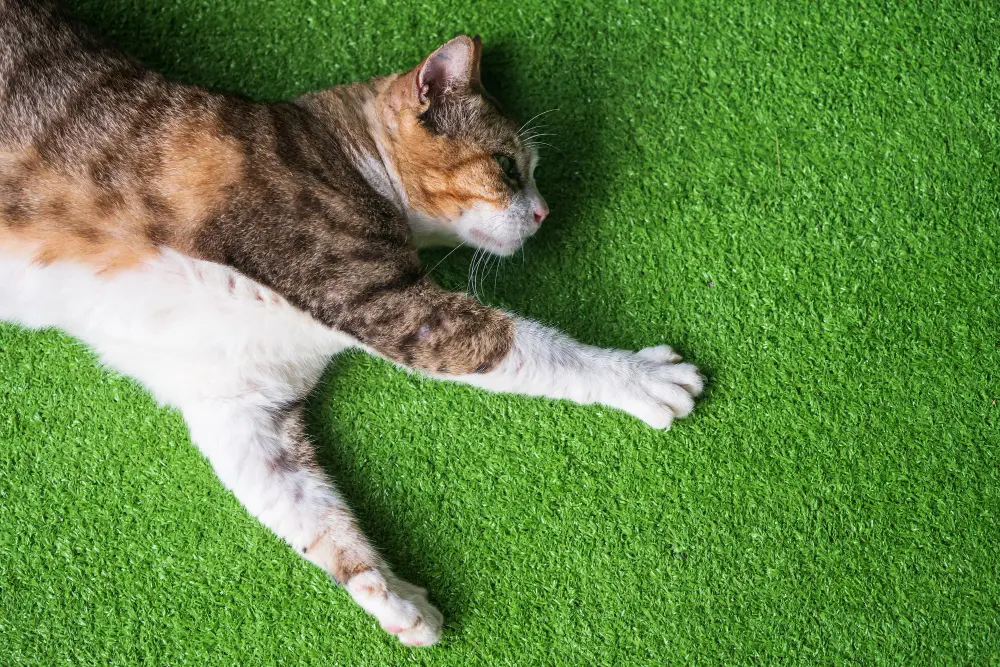
Pet-friendly artificial turf solves two major problems for Florida homeowners: heat and drainage. Properly installed turf in artificial turf Tampa Florida projects uses a perforated backing that allows urine and rainwater to drain through at a rate of 30–40 inches per hour. That's faster than most natural soil in the Tampa Bay area, where clay-heavy ground can hold moisture for days. High-quality pet turf also uses UV-stabilized fibers that don't fade or break down under Florida's intense sun, even during the peak summer months when temperatures regularly hit 93°F or higher.
Most homeowners in neighborhoods like Westchase and Carrollwood notice a dramatic improvement in yard usability within the first few weeks of installation. No more muddy paw prints through the house. No more brown dead patches where the dog runs.
What Features Should You Look for in Pet-Safe Artificial Turf?
The three features that matter most for pet owners are material safety, antimicrobial properties, and a durable backing system.
Non-Toxic Materials: Quality pet turf is made from polyethylene, a material that's free from lead, latex, and heavy metals. Look for products that meet ASTM and IPEMA safety standards. Most reputable turf manufacturers will provide documentation confirming their materials are safe for both pets and children.
Antimicrobial Infill: Standard turf infill is silica sand or crumb rubber. Pet-specific products use infill treated with an antimicrobial agent — typically zinc or silver ion technology — that actively inhibits bacteria and odor-causing microbes. This matters because bacteria from pet waste can build up in the turf blade, especially during Tampa's humid summers when moisture stays trapped between fibers.
Reinforced Backing: A two-layer backing (typically a primary latex layer over a polyurethane base) holds the turf fibers in place under heavy traffic. Dogs that run the same paths repeatedly will wear through a single-layer backing within two to three years. A double-layer system typically lasts 15–20 years with proper care.
If you're comparing turf products, ask specifically about the "face weight" — the weight of the fibers per square yard. For pet areas, aim for a face weight of at least 50–60 oz. Anything lighter will mat down too quickly under regular pet traffic.
How Should Artificial Turf Be Installed for Optimal Waste Management?
Proper base preparation is the most overlooked part of any artificial turf Tampa Florida installation. Skip this step, and you'll have odor problems within six months.
A proper base for pet turf starts with removing 3–4 inches of existing soil. That layer gets replaced with a mix of decomposed granite and crushed aggregate — typically a 3-inch compacted base layer followed by a 1-inch layer of coarse sand. This creates a firm, level surface that also allows liquid to drain away from the turf quickly.
Underneath that base, a weed barrier fabric prevents weeds from pushing through while still allowing drainage. For yards with dogs, we also recommend a secondary odor-control layer. Products like ZeoFill or Zeolite infill are added on top of the sand layer. These natural mineral compounds absorb ammonia from pet urine, reducing odor significantly even during peak heat.
For properties in areas like Hyde Park or Bayshore where HOA guidelines may restrict drainage modifications, it's worth checking with your HOA before installation. Most standard pet turf systems meet Florida's permeable surface requirements, but specific communities may have rules about the type of infill used or the appearance of the turf edge along property lines.
A complete base prep and turf installation for a typical 500-square-foot backyard pet area in Tampa runs between $3,500 and $6,500, depending on the grade of turf, infill selection, and site conditions. Yards with significant grading issues or existing drainage problems will land toward the higher end of that range.
How Do You Maintain Artificial Turf in Florida's Humidity?
Keeping pet turf fresh in Tampa's humidity isn't difficult, but it does require a consistent routine. Here's what actually works.
Weekly: Rinse the turf surface with a garden hose. This dilutes any concentrated urine spots and moves solids through the drainage layer. Focus on the spots your dog uses most often.
Monthly: Apply an enzyme-based turf deodorizer. Products like Simple Green Outdoor Odor Eliminator or Bio-S.I. turf spray break down organic material at a microbial level. One application covers about 500 square feet and costs around $15–$20. This step is non-negotiable during June through September when Tampa's humidity sits above 80% and odors intensify quickly.
Every 6–12 months: Brush the turf fibers with a stiff-bristled broom or a power broom attachment to keep the blades standing upright. Flattened fibers reduce drainage efficiency and make the surface look worn. A professional turf refresh service typically costs $150–$250 for a standard residential yard.
Annually: Check the infill depth. Pet traffic displaces infill over time, particularly in high-use areas. Topping up infill costs about $0.50–$1.00 per square foot and adds years to the life of the turf.
For a natural sod comparison, our sod design and installation service is also available for homeowners who prefer the real thing — or want to combine both in a layered yard design.
Does Artificial Turf Work with HOA Guidelines in Tampa?
Most artificial turf Tampa Florida installations are HOA-compatible, but there are a few things to verify before you commit. Most HOA guidelines in planned communities regulate the color of turf (requiring a natural green tone, not lime or bright green), the height of the pile (typically 1.5–2 inches), and whether the edges must be bordered by pavers or a defined edging material.
Communities near the Westshore Business District or Ballast Point tend to have stricter architectural review requirements. If your HOA requires approval, your installer should provide a materials specification sheet and a photo of a completed installation in a similar-style home. That documentation covers most HOA reviews without requiring a separate inspection.
Florida's building codes don't require a permit for standard residential turf installation, but if your project includes regrading, retaining walls, or hardscaped edging, a permit may be required under Tampa's Chapter 27 zoning code. Your contractor should confirm this before the project starts.
Thinking About Upgrading the Rest of Your Yard?
A fresh turf installation pairs well with outdoor lighting to extend the time you and your pets can enjoy the backyard after dark. Our landscape lighting services are designed for Florida's outdoor lifestyle — from pathway lighting along pavers to low-profile fixtures that highlight planting beds without interfering with your turf surface.
Ready to Build a Better Backyard for Your Pets?
Pet-friendly artificial turf gives Tampa homeowners a yard that holds up to daily use, drains fast after Florida's afternoon downpours, and stays clean enough to actually enjoy. With proper base prep and a consistent maintenance routine, a quality turf system will serve your family and your pets for 15 years or more.
The team at Citrus Landscape Solutions has completed 500+ projects across Central Florida and knows exactly what it takes to get a pet turf installation right from the ground up. Call us at (407) 759-1260 or request a free quote online to get started.