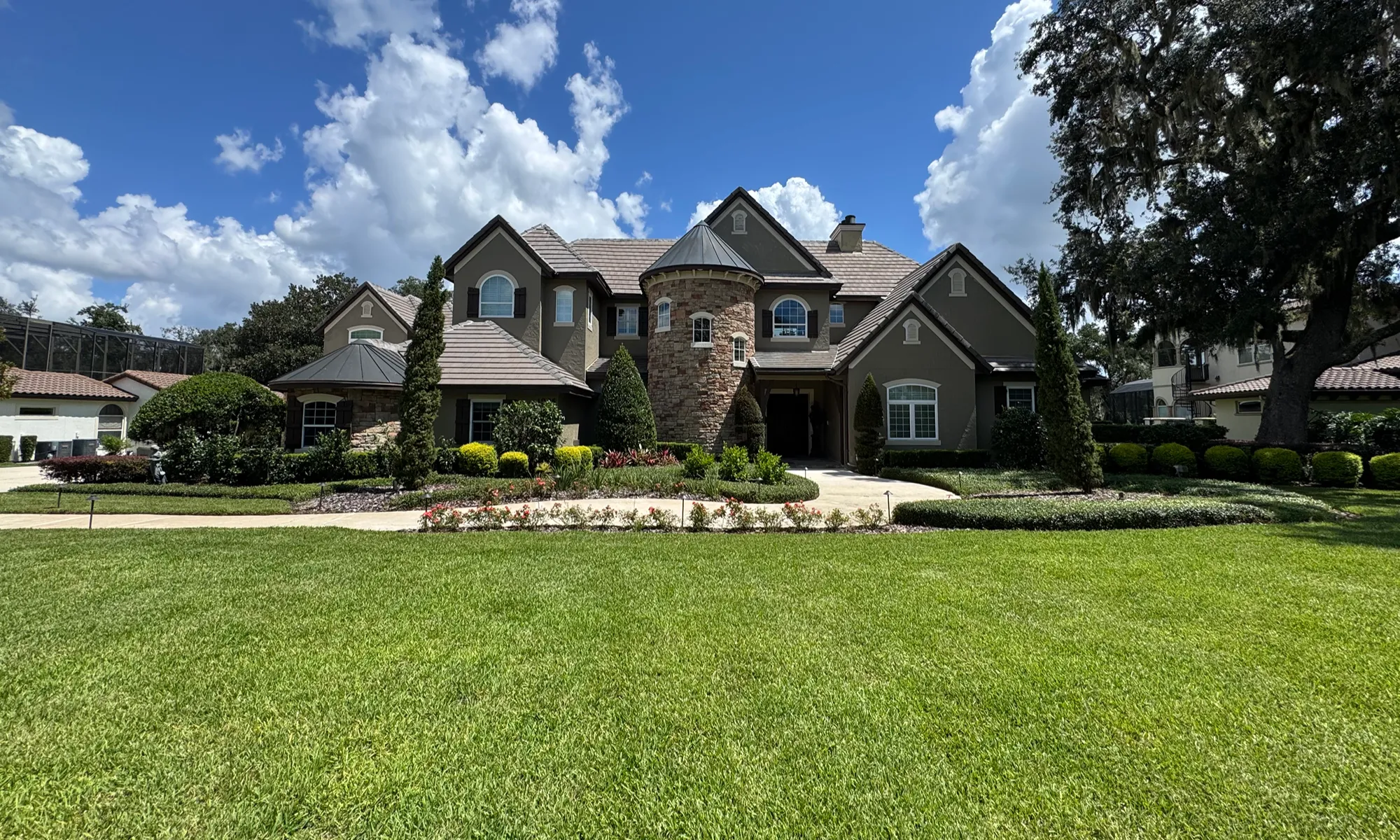
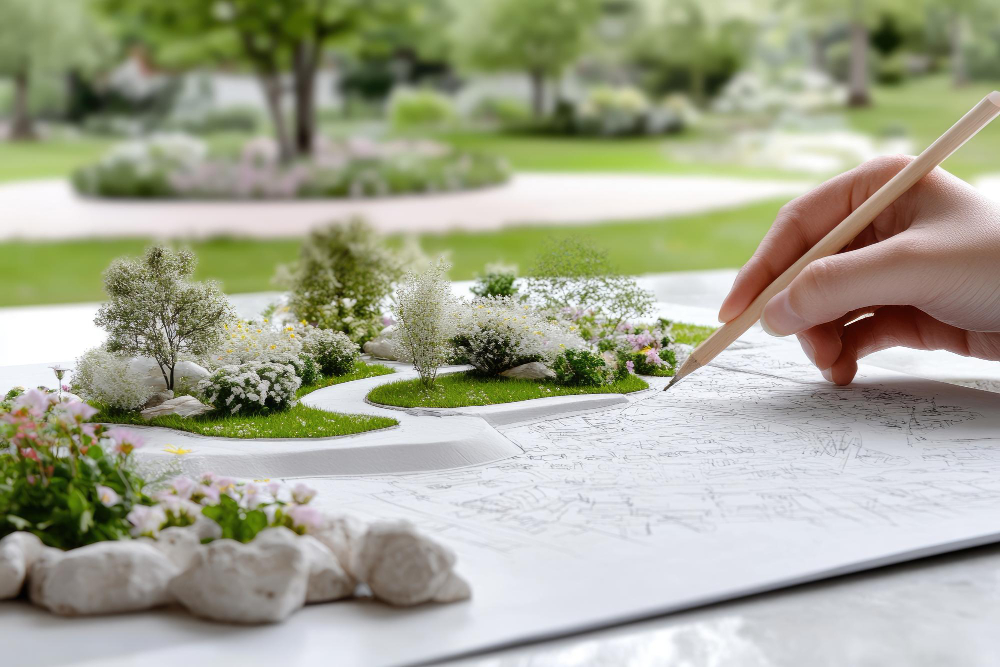
St. Petersburg homeowners know the struggle: a yard that looks great in January but turns into a weekly chore by June. Between the brutal summer heat, sandy soil, and afternoon storms rolling in off Tampa Bay, keeping up with a high-maintenance lawn can feel like a second job. The good news? You don't need to spend every Saturday watering, mowing, and weeding to have a yard you're proud of.
Ready to stop fighting your yard and start enjoying it? Call Citrus Landscape Solutions at (407) 759-1260 for a free consultation. Our team has helped hundreds of Florida homeowners design beautiful, low-effort outdoor spaces built for this climate.
What Makes Florida's Climate So Tough on Traditional Yards?
Florida's climate puts more stress on lawns than most homeowners expect. St. Petersburg averages around 244 sunny days per year, with summer temperatures regularly climbing above 90°F and humidity hovering between 70–80%. That combination means your grass is either baking in the heat or drowning after one of our afternoon downpours.
Traditional lawns in this climate demand watering 2–3 times per week during dry spells, fertilizing every 6–8 weeks, and mowing almost year-round. That's a serious time and money commitment. Switching to a low-maintenance approach doesn't mean sacrificing beauty. It means working with Florida's climate instead of against it.
Which Plants Thrive in St. Petersburg's Heat and Sandy Soil?
Drought-tolerant plants are the foundation of any low-maintenance yard in St. Pete. The best options are those adapted to Florida's sandy, fast-draining soil and high UV exposure. Think plants that can survive two weeks without rain and still look good.
A few reliable performers for this area:
- Lantana: Full sun, drought-tolerant, and blooms nearly year-round with almost zero care
- Muhly Grass: Stunning pink plumes in fall, handles dry spells easily
- Dwarf Fakahatchee Grass: Low-growing, no mowing required, thrives in sandy soil
- Bougainvillea: Bold color, thrives in heat, minimal watering once established
- Sea Grape: Perfect for coastal yards near areas like Pass-a-Grille or Tierra Verde
We've seen these plants go 3–4 weeks without irrigation during dry season and bounce right back. That's the kind of resilience that makes a real difference in your weekly workload.
How Do Native Plants Reduce Yard Maintenance?
Native plants cut maintenance dramatically because they've spent thousands of years adapting to this exact environment. No guesswork, no babying. They already know how to handle Florida summers.
For landscaping in St. Petersburg, Florida, two natives stand out above the rest:
Sabal Palm (Florida's State Tree): Once established, these palms need almost no water or fertilizer. They're salt-tolerant, which matters a lot in coastal neighborhoods. They also don't drop fronds constantly the way many ornamental palms do.
Firebush (Hamelia patens): A fast-growing Florida native that produces bright orange-red blooms from spring through fall. It draws butterflies and hummingbirds, handles drought well, and bounces back quickly after hard pruning. Most homeowners trim it twice a year and that's it.
Compared to non-native plants that may need weekly attention, established native plantings typically require only 1–2 hours of maintenance per month after their first growing season. Pair these with a good mulch layer (2–3 inches of pine bark works well in St. Pete's sandy soil), and you'll cut weeding time by more than half.
What Hardscaping Features Reduce Lawn Upkeep?
Hardscaping is one of the fastest ways to shrink the amount of grass and plantings you need to maintain. Every square foot of decorative gravel, pavers, or mulch beds is one less square foot you have to mow or water.
Popular hardscaping options that work well for landscaping in St. Petersburg, Florida include:
Pavers and Gravel Paths: Replacing grass strips along driveways and pathways with permeable pavers or crushed shell eliminates edge trimming entirely. Paver installation typically runs $15–$25 per square foot installed, depending on material and complexity.
Expanded Mulch Beds: Widening your mulch beds around trees and foundation plants reduces the amount of turf you maintain and suppresses weeds naturally. A fresh 2–3 inch mulch layer applied once or twice a year does the work for you.
Decorative Stone Borders: Low-profile stone borders around plant beds keep mulch in place and prevent grass from creeping in, which is a constant issue in St. Pete neighborhoods like Historic Kenwood and Snell Isle where older landscaping has been left to spread unchecked.
For a full look at what our team can do with hardscaping and sod design & installation, check out our project portfolio on the Citrus Landscape Solutions website.
Can a Smart Irrigation System Really Save Time and Money?
Yes, and the savings are more significant than most homeowners expect. A properly installed drip irrigation system with rain sensors can cut outdoor water use by 30–50% compared to traditional sprinkler setups. In St. Petersburg, where summer water bills can spike sharply during dry stretches, that's a real number.
Here's why it matters: A standard spray sprinkler system runs on a timer regardless of weather. It will water your yard the morning after a heavy storm if you don't manually override it. A smart system with rain sensors skips watering cycles automatically after rain events, and a soil moisture sensor goes even further by measuring actual ground moisture before deciding whether to run.
Drip irrigation delivers water directly to root zones rather than spraying across broad surfaces, which also means far less evaporation loss during hot afternoons. For most St. Pete yards, a properly zoned drip system pays for itself within 2–3 seasons through reduced water bills.
What Are the Best Low-Maintenance Grass Alternatives for St. Pete Yards?
If you want green coverage without the mowing schedule, groundcovers are the answer. They fill space, suppress weeds, and hold up through Florida summers without the upkeep of traditional turf.
Two options that perform especially well for landscaping in St. Petersburg, Florida:
Perennial Peanut (Arachis glabrata): A tough, spreading groundcover with small yellow blooms. It fixes nitrogen in the soil, meaning you fertilize less often, and it handles foot traffic better than most alternatives. Once established (usually 6–12 months), it needs almost no intervention.
Frogfruit (Phyla nodiflora): A Florida native groundcover that stays low, tolerates both drought and occasional flooding, and produces tiny white flowers that attract pollinators. It's particularly useful in transitional areas between turf and plant beds, and it's a go-to recommendation for yards in flood-prone lower-lying parts of St. Pete.
Both options eliminate the need for weekly mowing while keeping your yard looking full and green.
Year-Round Low-Maintenance Checklist for St. Pete Homeowners
Florida doesn't have true seasons the way northern states do, but our weather shifts are real and your yard responds to them. Here's a simple quarterly guide built around what actually happens in this climate:
Spring (March–May): Trim back any plants that suffered during brief winter cold snaps. Apply a slow-release fertilizer to native plants and groundcovers. Check irrigation heads and clean filters before the dry season heat arrives.
Summer (June–August): Set irrigation rain sensors and let them do their job. Check mulch beds after heavy storms; standing water can displace mulch quickly. Trim back fast-growing plants like Firebush once mid-season.
Fall (September–November): This is the best time to plant new natives and groundcovers. The soil is still warm and fall rain helps new plants establish before winter. Add 2–3 inches of fresh mulch to protect root zones heading into cooler months.
Winter (December–February): Scale back irrigation significantly. St. Pete winters are mild, but most plants slow down and don't need regular watering. Use this time to plan any new plantings or hardscaping you want to complete before the summer heat returns.
And don't forget about curb appeal after dark. Well-placed landscape lighting can highlight your native plants and hardscaping features beautifully, and LED fixtures are low-cost to run year-round.
Ready to Build a Yard That Works for You?
A low-maintenance yard in St. Petersburg isn't about doing less. It's about making smarter choices upfront so the yard takes care of itself. Native plants, smart irrigation, groundcovers, and strategic hardscaping all work together to give you a property that looks great without consuming your weekends.
Our team at Citrus Landscape Solutions knows this climate, this soil, and these neighborhoods. We've helped homeowners across St. Petersburg and the surrounding area build landscapes that thrive year after year with minimal upkeep. Give us a call at (407) 759-1260 or request a free quote online. We'll walk your property, talk through your goals, and put together a plan that fits your yard and your schedule.