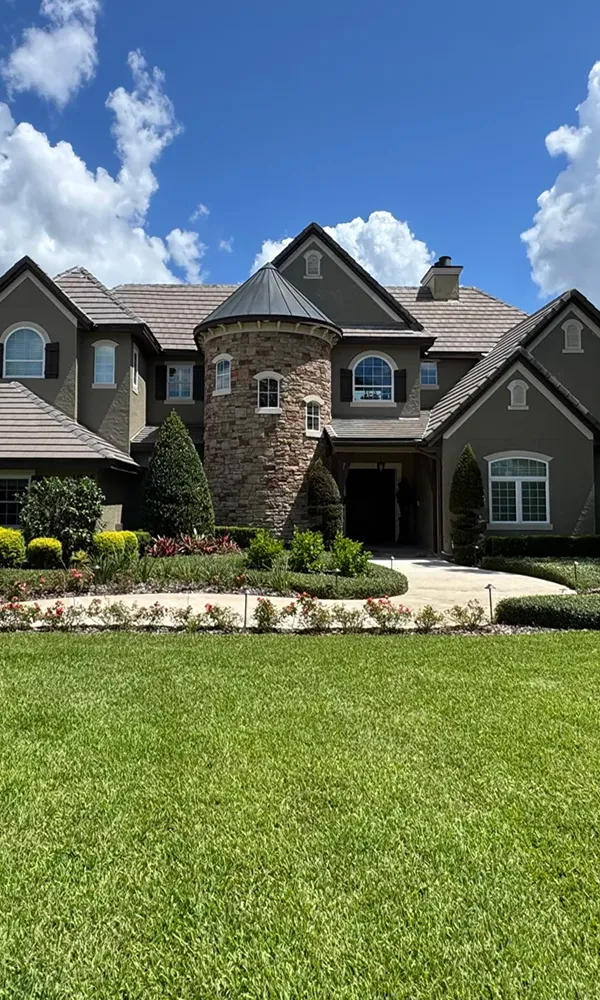
Maintaining a beautiful yard in Sanford is a labor of love. Between the humid summers near Lake Monroe and the unique soil conditions of the "Celery City," keeping your outdoor space looking its best requires local know-how. Whether you live in the Historic District or a newer community like Cameron’s Landing, understanding the specific needs of your landscape ensures your home looks great year-round.
Professional landscaping does more than just boost curb appeal; it protects your property investment. A well-designed yard manages water runoff during our stormy season and provides shade to lower your cooling bills. This guide breaks down exactly how to design, maintain, and protect your Sanford landscape.
What grows best in Sanford’s unique climate?
Choosing the right plants is the difference between a yard that thrives and one that struggles. Sanford sits in a humid subtropical zone, meaning we need plants that can handle intense heat and heavy rainfall. Native plants are always your best bet because they have adapted to our specific environment over thousands of years.
For your lawn, St. Augustine grass is the standard for a reason. It loves the heat and handles our humidity well. However, if your lawn has become patchy or overgrown with weeds, it might be time for a reset. Our professional sod design & installation services can replace tired grass with fresh, healthy turf that transforms the look of your home instantly.
In flower beds, consider plants like Coontie, Firebush, and Beautyberry. These natives require less water and fertilizer than exotic species. Creating shade is also vital. Planting a Live Oak or a Southern Magnolia on the western side of your home can block the intense afternoon sun, potentially lowering your indoor temperatures.
How do I handle Sanford’s changing seasons?
While we don't have snow, our seasons dictate exactly what your yard needs. Ignoring the calendar is a common mistake that leads to dead plants and wasted money.
Spring (March - May): This is the time to wake up your garden. Apply a layer of mulch to retain moisture before the heat sets in. It is also the ideal time to check your irrigation system.
Summer (June - September): The heat is on, and so are the bugs. Keep an eye out for chinch bugs in your St. Augustine grass. This is also the rainy season, so ensure your drainage is working to prevent standing water. For those tired of the constant mowing during these rapid-growth months, installing artificial turf is becoming a popular solution for backyard play areas and shaded spots where grass struggles to grow.
Fall (October - November): This is actually the best planting season in Florida. The soil is still warm, but the air is cooler, giving new plants time to establish roots without heat stress.
Winter (December - February): While freezes are rare, they happen. Be ready to cover sensitive plants if the forecast drops below 40 degrees.
What does professional maintenance actually cost?
Many homeowners underestimate the time and money required to keep a yard pristine. Understanding the costs helps you budget effectively.
Sod Installation: If you need to replace your lawn, expect to pay between $1.50 and $3.00 per square foot for installation. This investment matters because a dense, healthy lawn is your first line of defense against weeds and erosion.
Irrigation Systems: Installing a new system for an average-sized yard typically runs between $2,500 and $5,000. While this is an upfront cost, efficient watering saves you money on your monthly utility bill.
Hardscaping: Adding a paver patio generally costs $12 to $25 per square foot. According to HomeGuide, the return on investment for patios can be significant when it comes time to sell your home.
We frequently compare notes with colleagues across the state, including top landscaping companies in Sarasota Florida, and we find that material costs for sod and pavers remain relatively consistent across the region. However, labor and disposal fees can vary based on local demand.
Do I need a permit for landscaping in Sanford?
Before you start digging, you need to know the rules. Sanford and Seminole County have specific regulations to keep our neighborhoods looking good and our environment safe.
If you're removing a large tree, especially a "specimen" tree like a large Oak, you likely need a permit. The city protects the tree canopy that gives Sanford its character. Additionally, if you live in an HOA, check your covenants. They often dictate specific approved colors for mulch and types of allowable fences.
Watering restrictions are another major factor. Most of Seminole County restricts irrigation to one or two days a week, depending on the time of year. Adhering to these rules avoids fines and conserves our aquifer. Just like landscaping companies in Sarasota Florida must adhere to strict coastal water ordinances, we must respect our local water guidelines here in Central Florida.
Why hire a professional instead of DIY?
You might be tempted to handle everything yourself, but professional landscaping saves you time and often prevents costly mistakes. We have seen many homeowners accidentally kill their expensive new sod by watering it incorrectly or choosing plants that are not compatible with their soil type.
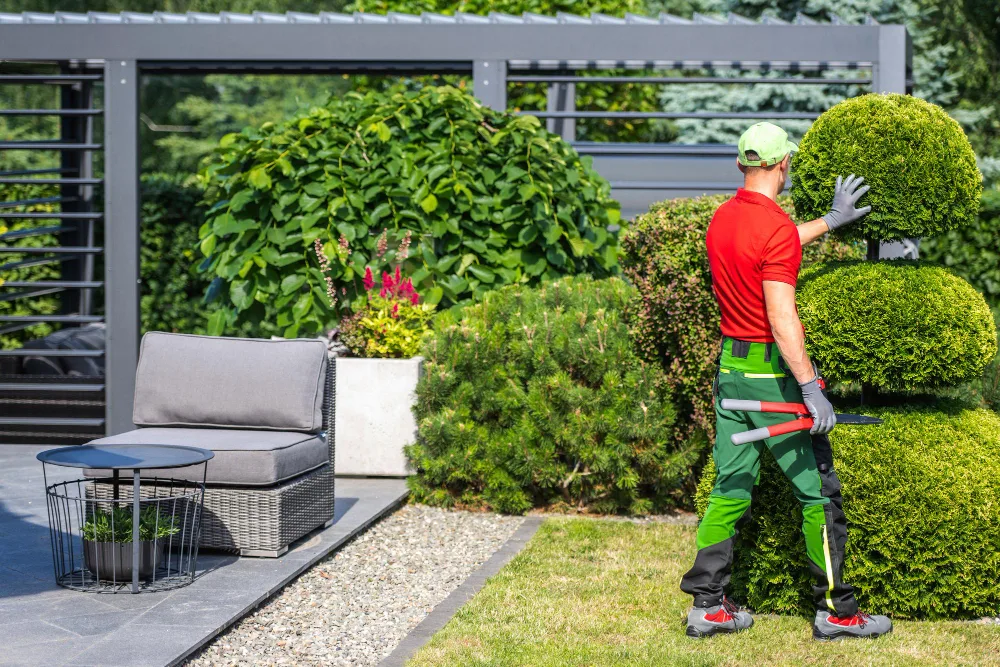
We have the equipment to aerate your lawn properly, ensuring nutrients reach the roots. We know exactly how much to prune your Crepe Myrtles so they bloom beautifully next year without damaging the tree structure ("Crape murder" is a real problem!).
Our team stays updated on industry trends, sharing insights with networks that include landscaping companies in Sarasota Florida and beyond, to ensure we bring the best techniques back to your yard in Sanford.
Ready to upgrade your outdoor space?
Your yard should be an extension of your home—a place to relax, play, and entertain. Whether you need a complete redesign or just a little help getting your grass green again, we are here to help.
At Citrus Landscape Solutions, we know Sanford because we are part of the community. We treat your property with the same care we treat our own.
Call us today at (407) 759-1260 or contact us online to schedule your free consultation.