Living right on the water in St. Pete brings constant coastal breezes and beautiful views. Those same breezes carry salt spray that quickly kills traditional yard plants. If you want a lush yard that actually survives here, you need a smart, salt-tolerant design. Ready to fix your struggling yard? Contact Citrus Landscape Solutions at (407) 759-1260 to get started today.
Why Is Salt a Problem for Coastal Plants?
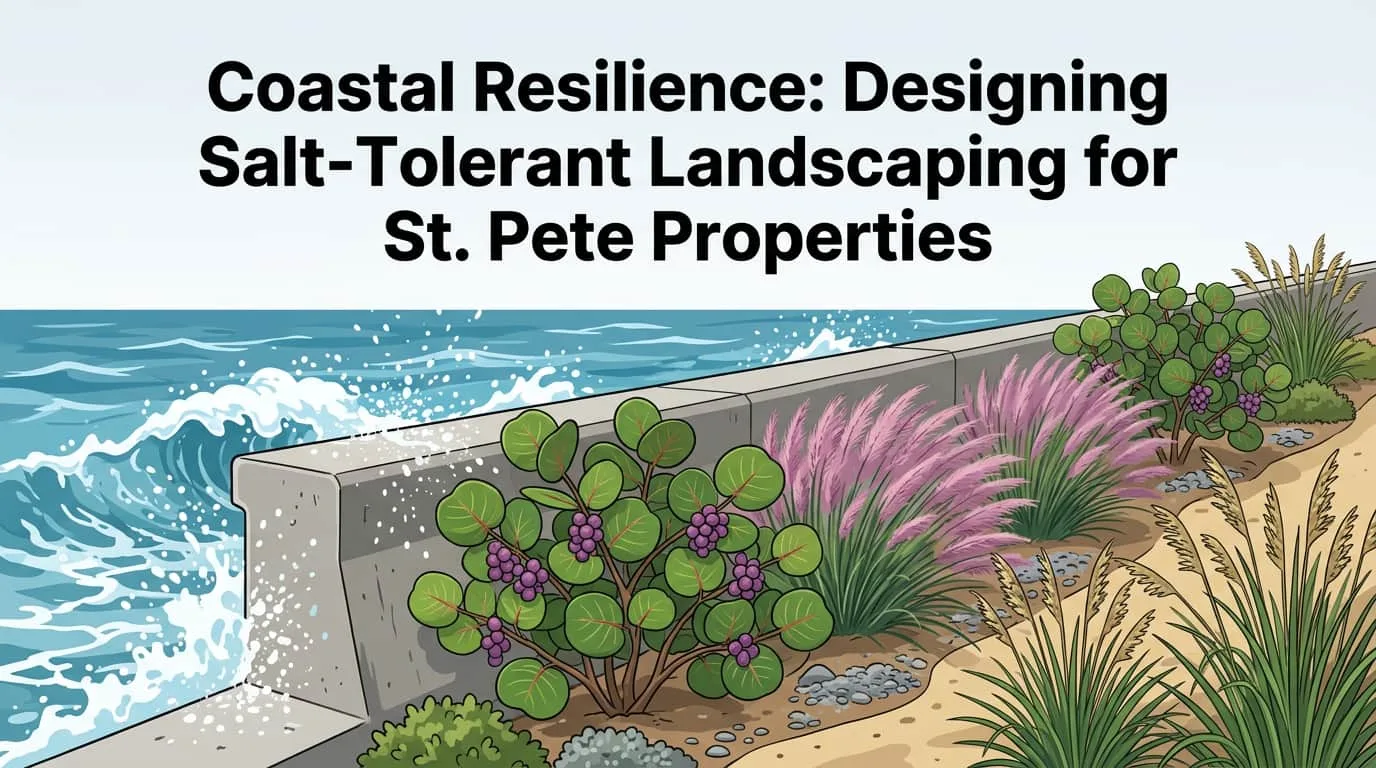
Salt pulls moisture out of plant roots and burns their leaves, causing severe dehydration. Coastal winds carry this salt spray miles inland, meaning even yards not directly on the water suffer. The resulting damage leaves standard plants brown, stunted, and eventually dead.
In our years serving Central Florida and the Gulf Coast, our team typically finds that homeowners spend hundreds of dollars replacing the same wrong plants every spring. Salt-tolerant species resolve this problem. They have thick, waxy leaves that resist salt burn. They also feature deep root systems that search out fresh water below the salty topsoil. Using the right species saves you money and endless frustration. Replacing dead landscaping costs the average homeowner $1,500 to $3,500 every few years. You can stop that cycle by planting for the environment you actually live in.
What Are the Best Plants for Landscaping St. Petersburg, Florida?
The best plants for landscaping St. Petersburg, Florida, include Sabal Palms, Live Oaks, Oleander, and Beach Sunflowers. These native and adapted species handle intense sun, sandy soil, and heavy salt spray with ease. They provide vibrant color and shade without needing constant watering.
Let's look at specific options for your yard. Sabal palms and live oaks provide strong, wind-resistant canopies that offer excellent shade. For privacy hedges, oleander and pittosporum grow thick and block salty winds from hitting more sensitive plants behind them. For ground cover, railroad vine and beach sunflower thrive in pure sand. Our plants & design experts help you pick the exact right mix for your soil. You do not have to sacrifice color just because you live near the coast.
How Do You Design a Coastal Landscape?
You design a coastal landscape by planting hardy windbreaks on the water-facing side to protect sensitive plants behind them. You must also amend the sandy soil with rich compost and install proper drainage to prevent salt accumulation in the root zones.
Strategic placement is everything. We build protective barriers using tough shrubs. Then we focus on soil health. Florida's native dirt is mostly sand. Before we put a single plant in the ground, we till in organic matter to help roots anchor and retain moisture. We also install smart irrigation systems that wash salt off leaves without overwatering the roots. If you run a business near the water, our commercial landscape maintenance plans include exact irrigation schedules to keep everything thriving.
How Does Maintenance Create Long-Term Cost Savings?
Proper maintenance of a salt-tolerant yard reduces water bills and replacement costs, saving homeowners roughly 20% over 5 years. Pruning removes salt-damaged tips, while targeted fertilization strengthens roots against coastal stress. Routine pest management stops bugs before they weaken the plants.
Native, salt-tolerant designs are the ultimate low-maintenance aesthetic solution. Because these plants belong here naturally, they need less fertilizer and fewer pest treatments. Regular maintenance just involves keeping them shaped and healthy. This approach completely stops the costly cycle of planting, watching things die, and planting again. A well-planned yard takes care of itself for most of the year.
Finding Inspiration in St. Pete Neighborhoods
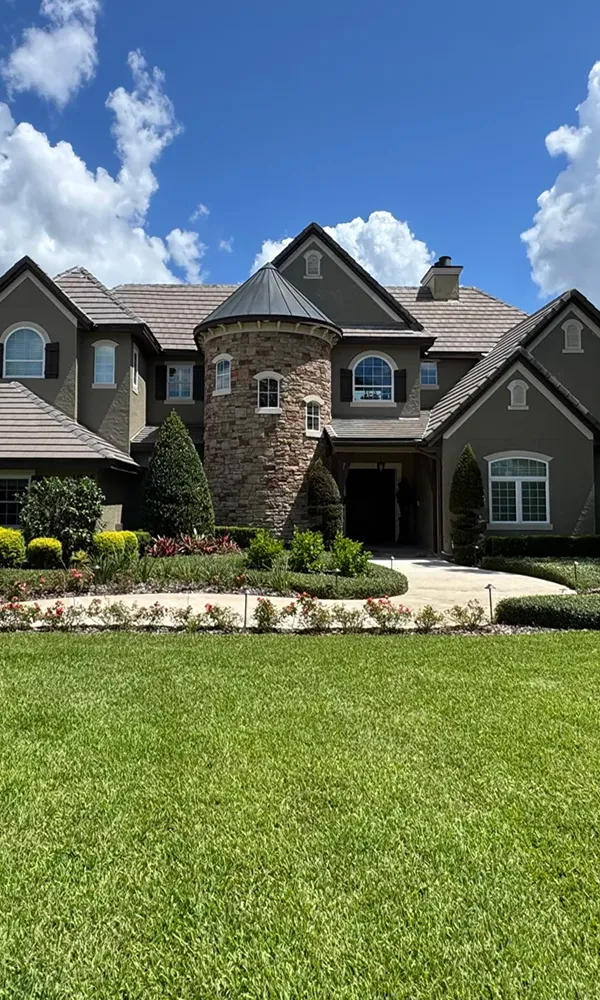
You can see brilliant examples of salt-tolerant yards walking through Snell Isle and the Old Northeast. These historic neighborhoods feature massive live oaks and tropical beds that handle the coastal climate perfectly. You can also visit Sunken Gardens for ideas on layering tropical foliage.
When our team inspects a home in Snell Isle, we always check how the existing old-growth trees block the wind. Many of these properties use dense tropical borders to protect delicate inner gardens. The Old Northeast showcases how to blend historic brick walkways with drought-tolerant shrubs. These local landmarks prove that resilient design looks incredible when done right. You can easily bring this same historic, lush look to your own property.
The Value of Professional Landscaping St. Petersburg, Florida
Hiring a professional ensures you get the right plants in the right soil the first time. Most full yard designs and installations take just 3-4 weeks from the initial consultation to the final planting. This speed and accuracy protects your investment.
Guessing at the garden center wastes time. We know exactly which plants handle zone 9b and 10a coastal conditions. A professional design team maps out your sun exposure, tests your soil, and handles the heavy lifting. Citrus Landscape Solutions handles the entire process smoothly so you can just enjoy the final result.
Creating a Resilient Coastal Property
Building a coastal yard means embracing plants that naturally resist salt and wind. By choosing adapted species and planning the layout carefully, you get a gorgeous outdoor space that lasts. You stop fighting the Florida environment and start working with it.
Your yard should be a place to relax, not a constant source of stress. Switching to a native, salt-tolerant design gives you your weekends back. Need help getting your yard into shape? Contact Citrus Landscape Solutions at (407) 759-1260. We are here to bring your coastal landscape to life.